Tracer Studies
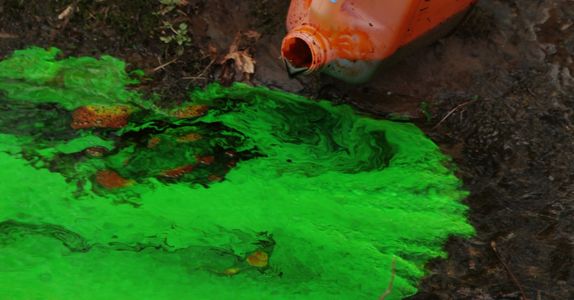
Featured Dye Traces
Check out our Tracer Studies page to learn about a range of dye tracing applications from projects supported by CHL.
Outreach

Trail Use Impacts on Water Quality
How is trail use at Mammoth Cave National Park impacting water quality and sensitive aquatic biota?
Community Water Resources
Learn how we are working closely with stakeholders to provide supporting science resources to promote safe drinking water.
Student Research
Dye Tracing of Dry Hollow - a Karst Solution Valley Along the Cumberland Plateau Escarpment, TN
Student research sponsored by the CHL Grant Program. A dye trace study to delineate karst basins in effort to better understand hydrogeology and address environmental issues along the Cumberland Escarpment.
Karst Sub-basin Delineation via Dye Trace Study near Turnhole Bend, Mammoth Cave National Park
Student research sponsored by the CHL Grant Program. A dye trace study designed to identify flow paths from the surface to springs along the Green River.
Hidden Landscapes: The Intersection of Clean Water, Culture, and Karst in southcentral Kentucky, USA.
The vulnerability of karst groundwater and potential hazards to communities relying on the resource for untreated drinking water.
Events
2021 Water Safety Talk
A Public Conversation about Karst Water Quality and Access in Southcentral Kentucky
2021 Webinar Series
Dye tracing from A-Z! Learn the theoretical background, tools and techniques, and applications of tracer studies.
Conservation of Fragile Karst Resources: A Workshop on Sustainability and Community (Karst 2020)
Virtual international meeting August 18-20, 2020 aimed at enhancing communication and sharing ideas and resources between major international conservation and science programs that protect, study, or manage cave and karst resources.
Recent Publications
The Mammoth Cave National Park World Heritage Site
The world's longest known cave, numerous surface karst features, diverse flora and fauna, and an extensive human and cultural history are just a few of the reasons why Mammoth Cave National Park is designated as a UNESCO World Heritage Site.
Trends in Water Quality of Cave Pools at Timpanogos Cave National Monument
Two cave pools in Utah's Timpanogos Cave National Monument (TCNM), Hidden Lake and Hansen Lake, are serving as sensitive "instruments" to measure long-term changes in environmental conditions.
Mammoth Cave National Park Natural Resource Condition Assessment
A comprehensive analysis of the status of living and abiotic resources at Mammoth Cave National Park.